
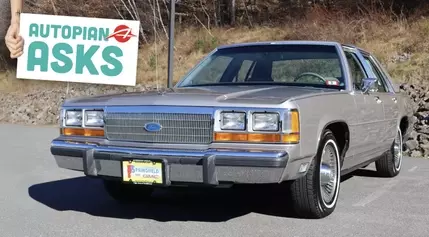
In the world of automotive branding, some car names seem to miss the mark. Exploring this intriguing topic reveals how manufacturers could enhance their offerings through more fitting monikers. The naming process for vehicles often aims to evoke specific emotions or associations, yet sometimes these efforts fall short. For instance, a compact city car might bear a name suggesting grandeur and vastness, which can be misleading. Instead, reimagining these titles to better reflect the vehicle's attributes could provide consumers with clearer expectations and a stronger connection to the brand.
Consider the impact of renaming cars based on their unique selling points. A sporty coupe may benefit from a title that highlights its agility and performance rather than one implying luxury and comfort. Similarly, an electric vehicle designed for eco-conscious drivers could adopt a name that emphasizes sustainability and innovation. By aligning the nomenclature more closely with the car's features and target audience, manufacturers can foster a deeper resonance between the product and potential buyers. This shift not only enhances marketing efforts but also strengthens brand identity in a competitive market.
Naming plays a crucial role in shaping perceptions and setting expectations. When done thoughtfully, it can significantly influence consumer choices and brand loyalty. Therefore, adopting a more strategic approach to automotive naming conventions can lead to greater satisfaction among customers and ultimately contribute to the success of automotive brands. Embracing creativity and insight in this area will undoubtedly propel the industry forward, ensuring that every model finds its rightful place in the hearts of drivers worldwide.