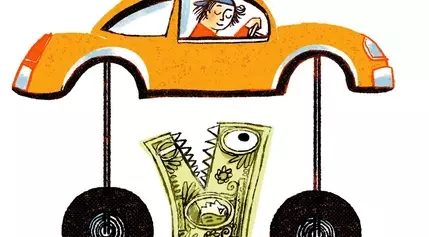
In the face of skyrocketing auto insurance premiums, some parents are tempted to take drastic measures to save money. From omitting teenage drivers on their policies to setting up separate policies for their children, these tactics may seem like a quick fix. However, the potential consequences of such actions can be far-reaching and devastating. This article delves into the hidden risks of these deceptive practices, shedding light on the legal, financial, and ethical implications that families must consider before taking such a risky approach.Uncovering the Hidden Costs of Hiding Teen Drivers
The Temptation to Conceal
With auto insurance rates soaring by over 50% in the last three years, it's no wonder that parents of new drivers are feeling the financial strain. The prospect of annual bills that can top ,000 for insuring a teenage driver is enough to make anyone desperate for a solution. Some have even gone so far as to consider giving insurers false information or setting up separate policies for their children, all in the hopes of reducing their premiums. However, these tactics are not only unethical but also fraught with legal and financial risks that can have devastating consequences.
The Legal Consequences of Deception
Failing to disclose the presence of a teenage driver on an insurance policy is a form of insurance fraud, which is a serious criminal offense. If caught, the consequences can be severe, ranging from hefty fines to potential jail time. Moreover, the insurance company may refuse to pay out claims in the event of an accident, leaving the family financially responsible for any damages or injuries. This can quickly spiral into a financial nightmare, with the costs of medical bills, property damage, and legal fees quickly exceeding the potential savings from the deception.
The Financial Risks of Separate Policies
The idea of setting up a separate policy for a teenage driver may seem like a clever workaround, but it comes with its own set of risks. Insurers are well-aware of this tactic and often have measures in place to detect and penalize such practices. If discovered, the insurance company may refuse to pay out claims, leaving the family on the hook for the full cost of any accidents. Additionally, the premiums for a standalone teenage driver policy are often significantly higher than adding the young driver to the family's existing policy, negating any potential savings.
The Ethical Dilemma of Deception
Beyond the legal and financial risks, the decision to conceal a teenage driver or set up a separate policy also raises ethical concerns. Honesty and transparency are fundamental to the insurance industry, and engaging in deceptive practices erodes the trust between the policyholder and the insurer. This not only jeopardizes the family's relationship with their insurance provider but also sets a poor example for the young driver, who may internalize the message that it's acceptable to engage in unethical behavior to save money.
The Importance of Transparency and Responsible Choices
While the temptation to cut corners may be strong, it's crucial for families to resist the urge to engage in deceptive practices when it comes to insuring their teenage drivers. The long-term consequences of such actions can be far more costly than the short-term savings. Instead, families should explore legitimate ways to manage the high costs of insuring young drivers, such as taking advantage of discounts for good grades, defensive driving courses, or multi-car policies. By making responsible choices and maintaining transparency with their insurers, families can protect themselves financially and ethically while ensuring their teenage drivers receive the coverage they need.