
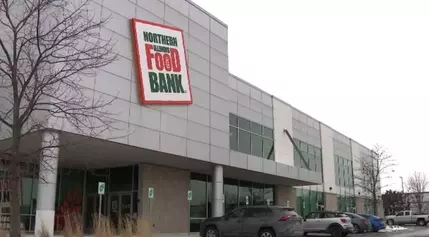
The recent announcements from the Trump administration regarding stricter measures on undocumented immigration have sent ripples through various sectors, particularly affecting non-profit organizations in Chicago. At the Northern Illinois Food Bank in Geneva, an essential resource hub for 13 counties, there is a growing apprehension about how these policy shifts might influence their operations and the communities they serve. The food bank's executive director, Julie Yorko, expressed concerns that individuals may avoid seeking assistance due to heightened fears. To mitigate potential disruptions, the organization has convened with over a dozen partner food pantries to strategize and prepare for any changes that may arise.
In response to the evolving situation, the Northern Illinois Food Bank is not only ramping up its delivery schedule but also taking proactive steps to support its clients. Recognizing the vulnerability of many recipients, especially those who are undocumented immigrants, the food bank is distributing informational materials such as "know your rights" cards. This initiative aims to empower community members with knowledge and resources. Moreover, the food bank is providing guidance to smaller agencies that lack substantial funding or staff, ensuring they can effectively respond to the challenges ahead. These efforts highlight the critical role non-profits play in safeguarding vulnerable populations during times of uncertainty.
As the community navigates these challenging times, it is crucial to emphasize the importance of compassion and solidarity. Non-profit organizations like the Northern Illinois Food Bank exemplify resilience and commitment to serving those in need. Their actions underscore the value of community support and the necessity of standing together in the face of adversity. By fostering understanding and collaboration, we can build stronger, more inclusive communities that uplift everyone, regardless of their background or status.